30% of Nigerians earn below ₦100,000; majority unsure income covers monthly costs — PiggyVest report
A new PiggyVest report shows 30% of Nigerians earn under ₦100,000 monthly, while rising inflation and weak purchasing power leave most unsure their income can cover basic living costs.
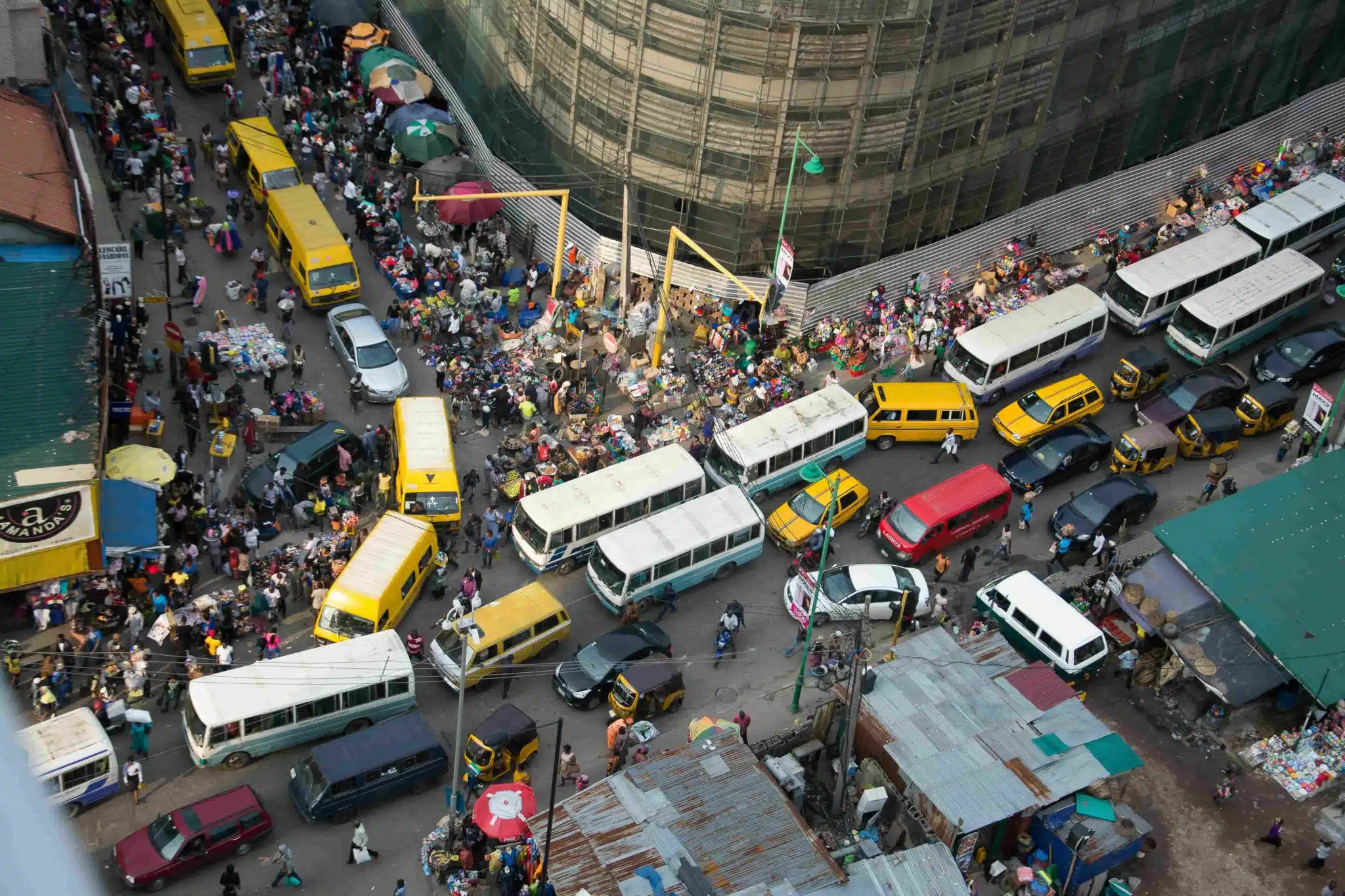
Thirty per cent of Nigerians earned less than ₦100,000 monthly in 2025, making it the largest income band in the country, according to a new report by PiggyVest. Released today, the report offers a snapshot of household finances as Nigeria continues to navigate sweeping economic reforms.
At the same time, 28% of Nigerians report earning no income, up sharply from 20% in 2023 and unchanged from 2024. While this suggests a persistent segment of economic inactivity, there are signs of modest income growth at the upper end.
About 42% of Nigerians now earn above ₦100,000 monthly, with those earning ₦1 million or more rising to 5% in 2025 — the strongest improvement across income brackets. Middle-income segments also show signs of recovery. The share of Nigerians earning between ₦100,000 and ₦250,000 fell from 25% in 2023 to 21% in 2024 but rebounded to 24% in 2025. Similarly, those earning between ₦250,000 and ₦499,999 dropped from 15% in 2023 to 8% in 2024, before climbing back to 10% this year.
Yet these gains have done little to improve how Nigerians feel about their finances. Most respondents report dissatisfaction with their financial situation, citing rising inflation and declining purchasing power over the past three years.
Income structure remains another point of vulnerability. The majority of Nigerians still rely on a single source of income, leaving households exposed to economic shocks. The data also reveals generational differences: 40% of baby boomers report having multiple income streams, compared to 30% of millennials and just 26% of Gen Z respondents.
Spending patterns remain largely unchanged. Food continues to dominate household budgets, accounting for the largest expense for 72% of respondents. Other major costs include clothing, household upkeep, utilities, and transportation — categories that have all been affected by inflationary pressures.
More concerning is the steady decline in savings. In 2023, 64% of Nigerians reported saving monthly. By 2025, that figure had fallen to...