Africa’s leapfrog advantage-why unified data foundations are key to scaling AI agents across the continent
A profound technological shift is taking place across the African...
A profound technological shift is taking place across the African continent, one that positions Africa not as a follower, but as a global frontrunner in the age of AI agents. While Western enterprises grapple with decades of technical debt, fragmented data estates and costly modernisation programmes, African businesses have a rare opportunity to build modern, agent‑ready data foundations from the ground up.
“It is not often that entire markets get the chance to start afresh. Across Nigeria, Kenya, South Africa and beyond, organisations can bypass legacy mistakes and move straight to unified, cloud‑native data architectures designed for AI agents from day one,” says Niral Patel, CEO of Accelera Digital Group (ADG).
This leapfrog moment is not theoretical; it is already reshaping how African enterprises think about scale, automation, and cross‑border growth.
From tools to autonomous workflows
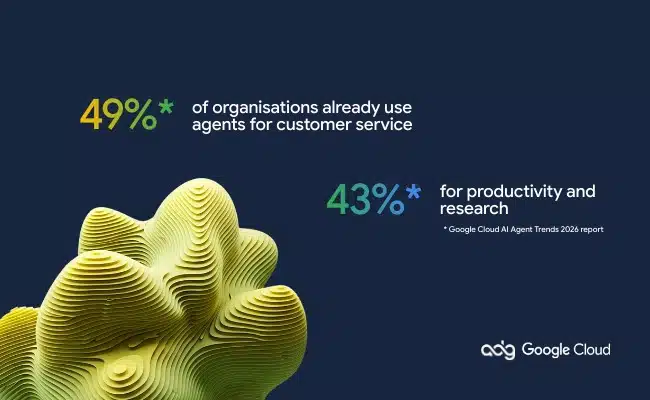
The recent Google Cloud AI Agent Trends 2026 report describes a decisive shift where AI is moving from answering questions to taking actions across applications, guided by human oversight. Agents can now understand goals, plan multi‑step workflows and execute tasks across systems, in what Google Cloud calls a “digital assembly line”.
However, this shift is only possible when data is unified, governed and accessible.
“AI agents do not thrive in fragmented environments. They need clean, connected, secure data that is grounded in enterprise truth to reason, act and improve. Africa has the advantage of building this foundation correctly from the start,” says Patel.
The report reinforces the point that grounding AI in enterprise data is critical for accuracy, trust and safe automation.
Unified data as a Pan‑African advantage
Pan-African enterprises face challenges due to varying regulations, data sovereignty rules, and digital maturity across markets. Traditionally, this required duplicating systems by country, but unified data foundations are transforming the approach.
“When ...