Children’s Day 2026: The pressure teenagers quietly carry on social media
Teenagers today are growing up in digital environments where visibility, validation, and comparison are constant. This article explores the quiet emotional pressure social media creates for teens.
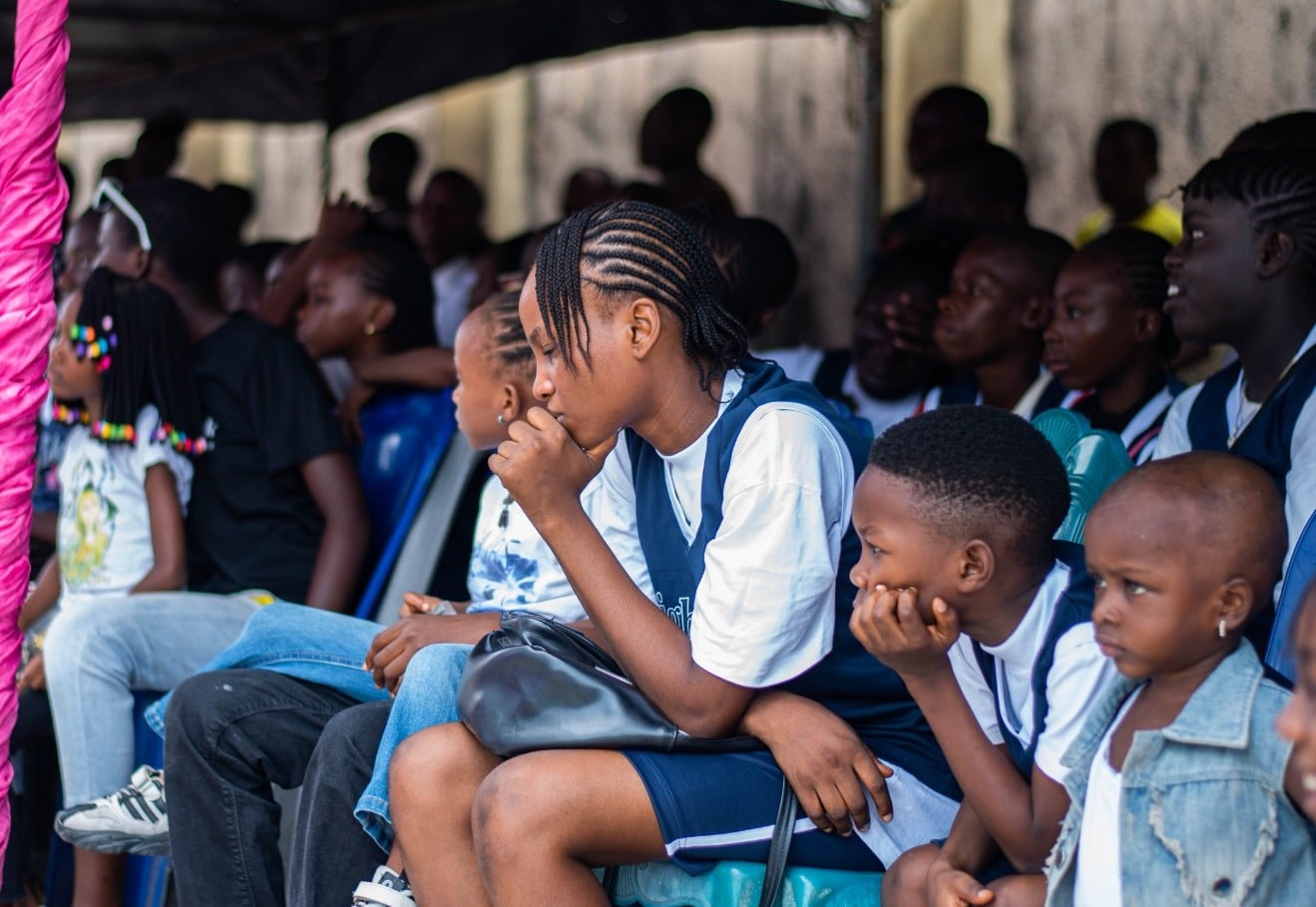
For a long time, the conversation around teenagers and social media has been dominated by the addiction narrative. To many adults, teenagers only use social media platforms for dancing on TikTok, posting selfies on Instagram, exchanging snaps with friends, or spending too much time scrolling through memes and trends. The reality, however, is that social media has evolved far beyond mere entertainment for many young people today.
Platforms like TikTok, Instagram, Snapchat, X, Facebook, and even Telegram are no longer just places where young people go to have fun or chat with friends. For many teenagers, these spaces have slowly become places that shape how they communicate, express themselves, build friendships, and understand their identity.
Being online is no longer separate from real life. For this generation, online spaces are part of real life itself. Growing up today means navigating a world where your social status is constantly measured in public metrics. At an age when most people are still figuring out who they are, many young people now feel pressure to present polished versions of themselves online before they fully understand who they are offline.
The pressure is not always obvious, though. In fact, many teenagers genuinely enjoy being online. It is where trends start, friendships grow, jokes spread, and creativity lives. But somewhere between scrolling endlessly, watching influencers, following trends, and trying to keep up with what everybody else is doing, many teenagers are quietly battling with themselves.
Adults often see teenagers spending long hours online and assume it is simply an addiction or a distraction. But for many teenagers, social media has become deeply connected to identity and belonging. For this generation, it is real life too. And that is what makes the pressure harder to explain.
Unlike previous generations, teenagers today are growing up in public. Their personalities, interests, friendships, opinions, appearance, and even insecurities are constantly interacting with o...