Copia’s insolvency case heads to Kenya’s High Court
On Techpoint Digest, we discuss Copia's insolvency case, which is headed to Kenya's High Court, Please Call Me Makate suing his backers, and Safaricom's most successful year in years.
<br />
Сайн уу,<br />
<br />
<br />
<br />
Victoria from Techpoint here,<br />
<br />
<br />
<br />
Here’s what I’ve got for you today:<br />
<br />
<br />
<br />
<br />
Copia’s insolvency case heads to Kenya’s High Court<br />
<br />
<br />
<br />
Please Call Me Makate sues his own backers<br />
<br />
<br />
<br />
Safaricom just had its biggest year in years, and Kenya powered it<br />
<br />
<br />
<br />
<br />
Copia’s insolvency case heads to Kenya’s High Court<br />
<br />
<br />
<br />
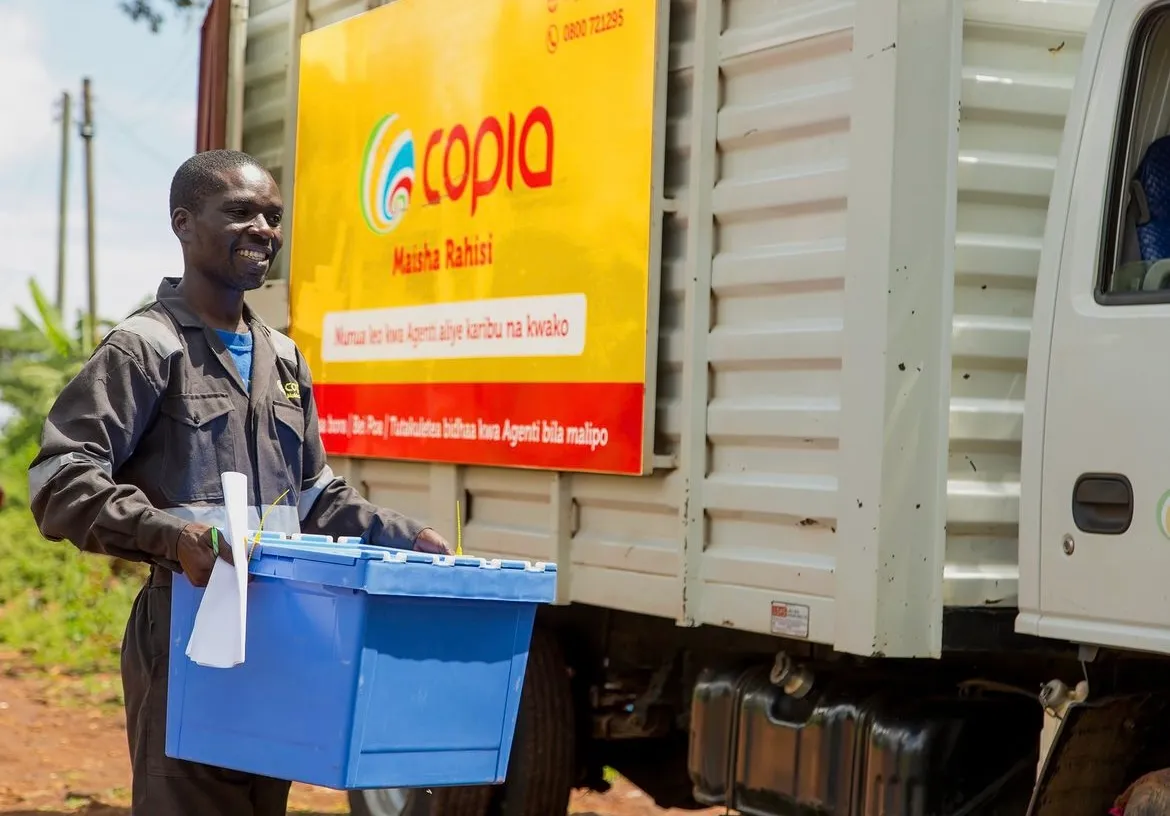
Image Source: TechCrunch<br />
<br />
<br />
<br />
Copia Kenya is heading back to court, and this time, the conversation is no longer about turnaround plans. It’s about what’s left. A gazette notice published on May 6 confirmed that the same KPMG administrators brought in to rescue the company in 2024, Anthony Makenzi Muthusi and Julius Ngonga, are now the petitioners in a formal insolvency case before Kenya’s High Court. The hearing is set for May 11, and creditors have officially been invited to show up and either support or oppose the petition. In practical terms, this is the moment Copia’s long restructuring saga enters its final legal phase.<br />
<br />
<br />
<br />
That shift matters because administration was supposed to buy the company time — time to stabilise operations, raise fresh capital, or find a buyer. None of that appears to have happened. Nearly two years after taking over, the administrators themselves are now asking the court to intervene. That’s a strong signal that the rescue effort has effectively run out of road. Even internally, the writing had been on the wall for a while. Back in mid-2024, staff were already being told that attempts to keep the business running had “not been successful” and that liquidation was becoming the most likely outcome.<br />
<br />
<br />
<br />
What makes Copia’s collapse so striking is that the business itself wasn’t fictional. This wasn’t a startup with no customers or no demand. Copia built a real logistics and distribution network serving hundreds of thousands of rural and peri-urban households in Kenya and Uganda. Through a network of agents, it delivered basics like sugar, cooking oil, soap, and household goods to consumers largely ignored by mainstream retail and e-commerce pla...