How digital special economic zones could unlock Africa for global tech companies
Based on a conversation with Mayowa Olugbile, CEO of Itana, and a joint report with Intelpoint, we explore how Digital Special Economic Zones (DSEZs) are removing the friction of expansion into Africa.
<br />
For many global tech companies, Africa has always been the next big thing for growth. And why wouldn’t it be? The continent has over 1.5 billion people, with a youthful, tech-savvy population. It ticks all the boxes of a market worth paying attention to. <br />
<br />
<br />
<br />
But in practice, that excitement often meets a more complicated reality. It can be full of friction, from messy regulations to volatile currency issues, making expansion harder for global tech companies. <br />
<br />
<br />
<br />
However, things are shifting, and we’re moving past the era where you had to spend two years navigating bureaucracy just to open a single office on the continent. Instead, Digital Special Economic Zones (DSEZs) are emerging to help tech companies expand more easily across the continent.<br />
<br />
<br />
<br />
I recently sat with Mayowa Olugbile, the CEO and co-founder of Itana, one of Africa’s DSEZs, and dove into their report How to Expand into Africa: A New Operating Playbook, in collaboration with Intelpoint. During the interview, we looked at expansion tactics for global companies and how these digital zones play an important role.<br />
<br />
<br />
<br />
<br />
<br />
<br />
<br />
<br />
<br />
What is a digital special economic zone?<br />
<br />
<br />
<br />
Most people are familiar with traditional special economic zones, which are physical areas where governments offer tax breaks, better infrastructure, and relaxed regulations to attract businesses.<br />
<br />
<br />
<br />
A digital special economic zone, however, takes that concept and updates it for the Internet age. In simple terms, it is more like having a business in the cloud.<br />
<br />
<br />
<br />
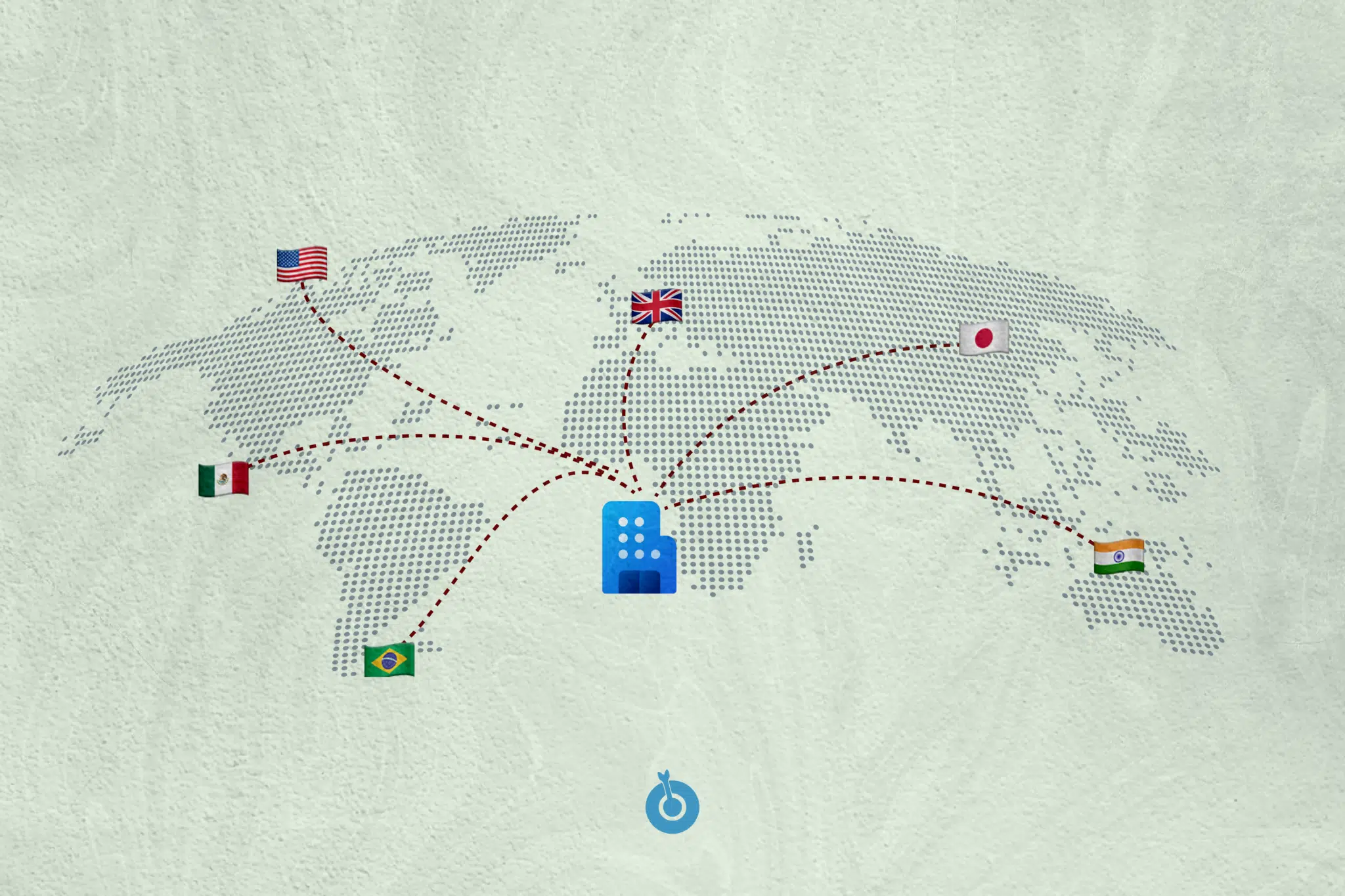
DSEZs like Itana use existing free zone laws to create a bubble where the regulation is stable, predictable, and most importantly, digital. You can set up a legal business entity from anywhere in the world (like Germany or the US) without physically being in the country yet.<br />
<br />
<br />
<br />
<br />
<br />
<br />
Instead of needing a physical office or navigating multiple layers of bureaucracy, companies can plug into a fully digital, business-friendly environment that handles company incorporation, compliance and regulation, talent access, and...