How Sulfman’s Eagle Watch is putting African innovation on the global map
Sulfman Consulting introduces Eagle Watch, its AI-powered digital investigation platform designed to help organisations investigate digital footprints, monitor publicly exposed assets, and access intelligence tools that have traditionally been expensive or restricted.
Cybersecurity conversations in Africa often focus on attacks after they happen. The focus is usually centred on the bank that suffered a breach, the startup that lost customer data, or the business owner who fell victim to online fraud. What receives less attention is the infrastructure behind digital investigations itself, who has access to it, how expensive it is, and whether African organisations can realistically use these tools at scale.
For Suleiman Farouk, founder and CEO of Sulfman Consulting Limited, that gap is becoming increasingly difficult to ignore.
“Cybersecurity is a shared responsibility,” he stated. “But one of the problems we still have is intelligence sharing and access to the right tools.”
Founded in 2015, Sulfman Consulting has spent over a decade providing cybersecurity services, including penetration testing, cyber threat intelligence, and training. Over the years, the company worked with organisations to identify vulnerabilities across web applications, mobile apps, and network infrastructure, helping businesses understand where they were exposed and how to address those risks.
However, while Sulfman strives to provide cybersecurity solutions, one recurring challenge stood out. Many organisations lacked affordable access to digital intelligence tools that could help them investigate threats, conduct due diligence, or understand their online exposure in real time.
Eagle Watch
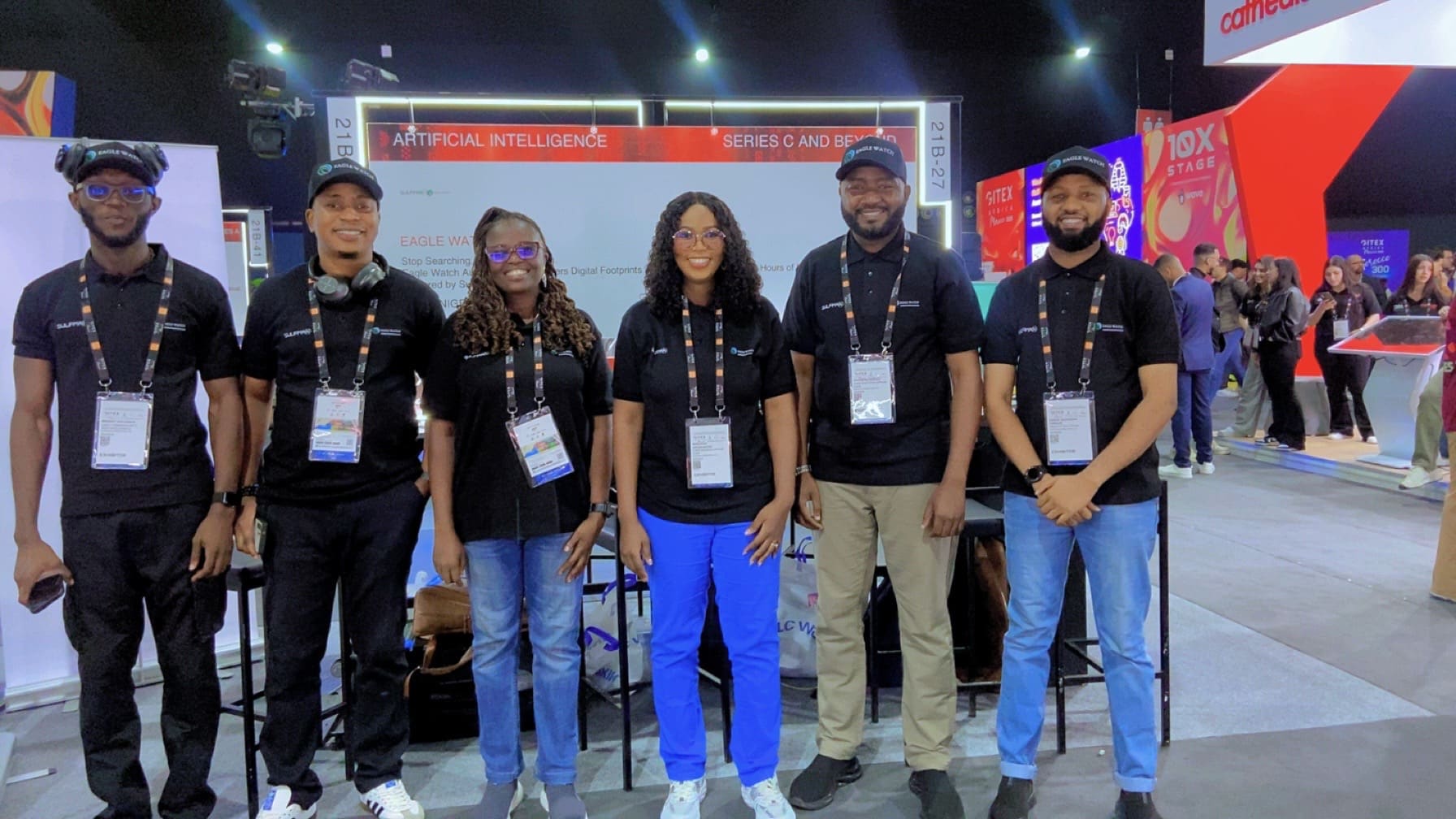
Sulfman’s Eagle Watch team in Morocco
As most businesses become digitalised, the amount of publicly available information tied to individuals, organisations, and online infrastructure continues to grow. From recruitment and compliance checks to cybersecurity investigations and fraud prevention, organisations are increasingly relying on digital intelligence to make decisions and assess risk.
However, access to digital investigation tools has traditionally been limited by cost, technical complexity, and availability.
Related Story:
Africa’s industrial growth will be built on cybersecur...