More Nigerians are Buying Phones on Credit as Smartphones Dominate 70% of BNPL Gadget Purchases, Says Credit Direct
According to the report, financial strain is what drives the long-term...
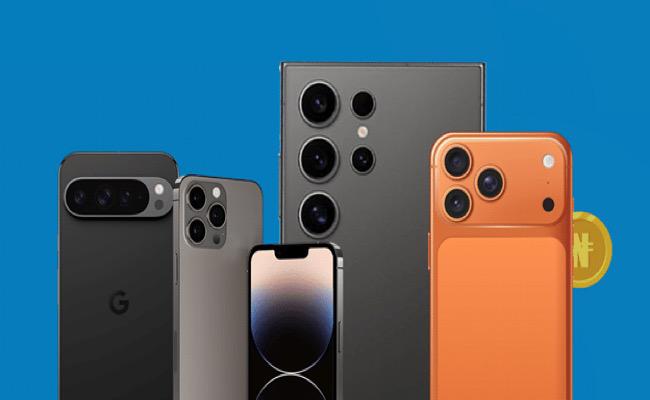
A mid-range Android phone in Nigeria can cost up to ₦280,000, more than many workers earn in a month. To bridge the gap, a growing number of Nigerians are turning to Buy Now, Pay Later [BNPL).
According to Credit Direct’s latest report, smartphones now make up 70% of all gadgets bought through BNPL in Nigeria. Of those, 81.4% are Android phones and 18.6% are iPhones.
The Nigeria Credit Landscape Report shows that, from a review base of 300,000 Credit Direct customers, 90% earn below ₦200,000 a month, with 36% sitting in the ₦50,000 to ₦99,999 band. At those income levels, a ₦280,000 smartphone is well above a single month’s pay, making even many mid-range Android phones difficult to afford upfront.
Furthermore, about 6 in every 10 BNPL customers choose terms of five or six months, with 42.7% selecting the maximum six-month option. Around 36% spread their payments across two to four months, and only 2.5% repay in a single month.
According to the report, financial strain is what drives the long-term tenors. Borrowers stretching repayments to the maximum tenor are mostly doing so because their monthly cash flow does not support paying off the loan faster. Spreading the cost across five or six months keeps the monthly payment small enough to fit alongside other essential bills like rent, school fees, and healthcare, the top three reasons people borrow.
The user base also tilts toward small business owners. Self-employed Nigerians account for 45% of BNPL transactions, compared with 29% from salaried workers. They also spend more per purchase, with average ticket sizes of ₦276,213 against ₦230,900 for salary earners. For many self-employed people, BNPL has become a way to buy the tools they need to keep their businesses running, like smartphones, laptops, and office equipment, without disrupting their working capital.
Overall, the findings suggest that BNPL in Nigeria is becoming more than just a way for consumers to spread payments. It is increasingly being used by entrepreneurs to finance bus...