South East Nigeria is banking on startups to boost the economy
The South East Development Commission is betting on startups, infrastructure, and private capital to grow the region into a $200 billion economy. However, execution, not ambition, will decide if it succeeds.
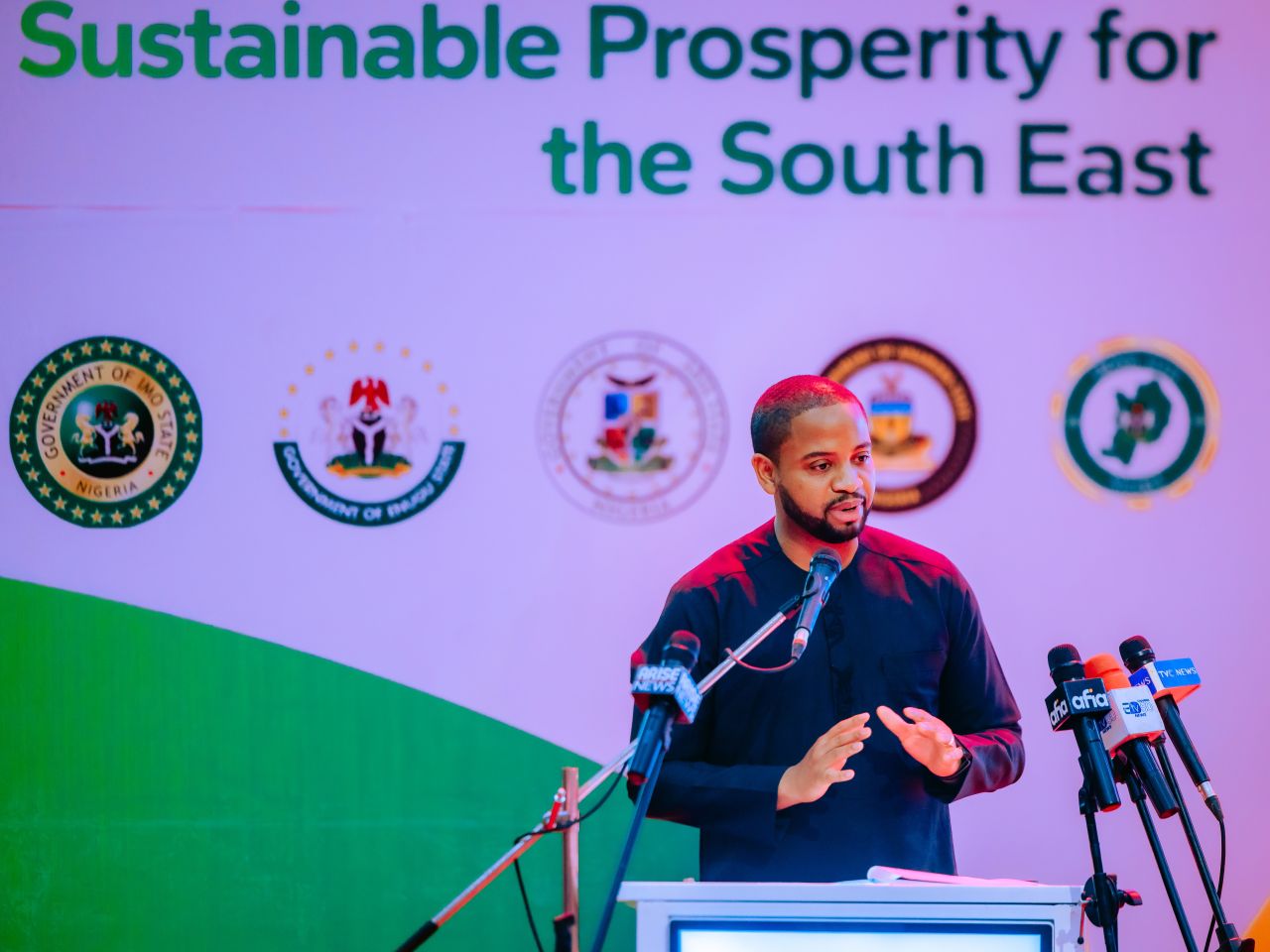
The South East Development Commission (SEDC) has set itself an audacious target to grow the region’s economy to $200 billion by 2035. It is the kind of goal that demands not just capital, but coordination and a willingness to rethink how development happens. And technology is emerging as a central pillar in that equation.
For Mark Okoye II, the commission’s managing director and chief executive officer, the assignment is familiar.
Before taking on this role, Okoye spent more than a decade in public service, including five years as Anambra State’s commissioner for economic planning, budget, and development partnerships. That experience offered a close-up view of how policy, finance, and infrastructure intersect. But the SEDC’s mandate, spanning five states and more than 20 million people, presents a challenge of a different scale.
Nigeria’s South East, comprising Abia, Anambra, Ebonyi, Enugu, and Imo, has long been defined by its entrepreneurial spirit. From bustling markets to diaspora-driven enterprises, the region’s commercial instincts are deeply ingrained. Yet, translating that energy into a coordinated, high-growth economic strategy has remained elusive.
The commission’s roadmap rests on four pillars: agriculture, industrialisation, technology, and the creative economy. Each reflects both the region’s existing strengths and its unrealised potential. Agriculture and manufacturing offer pathways to scale production and exports; the creative economy taps into a youthful, culturally vibrant population. But it is technology, often the least visible sector, that could determine whether the broader ambition succeeds or stalls.
Early signals from the commission’s own research point to the scale of the task. A survey conducted shortly after its establishment identified major infrastructure deficits as residents’ top priorities: a regional rail network, gas pipelines, new highways, and a seaport.
Yet the gap between ambition and available public funding is stark. The House of Representative...