The auction that changed everything: How Nigeria’s 2001 GSM licence sale built the foundation of a tech economy
Interswitch, Flutterwave, and Paystack exist because of the 2001 GSM licence auction. Before it, Nigeria had 400,000 phone lines for 120 million people. Four years later, it had 10 million mobile subscribers. Two decades later, it has Africa's largest fintech market.
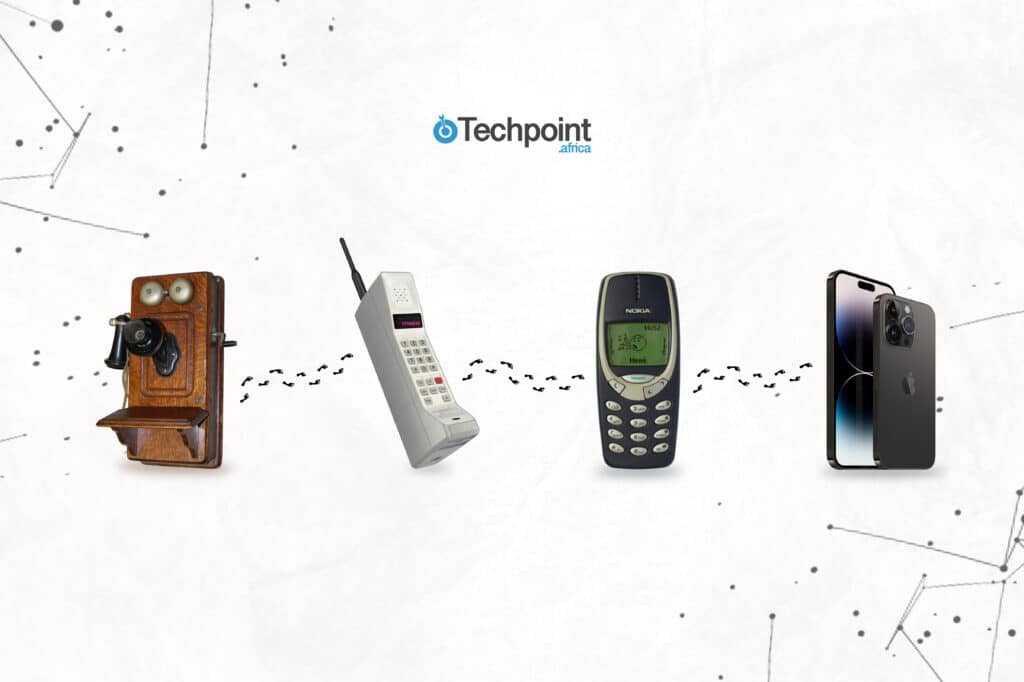
By the time Olusegun Obasanjo became president in May 1999, Nigeria’s telecommunications infrastructure was, for most of its 120 million citizens, functionally non-existent. From independence in 1960 to 2000, the number of active telephone lines nationwide had grown to just 400,000, at an annual growth rate of about 10,000 lines over four decades.
What followed in January 2001 was a government auction designed to let the private sector build what the state had failed to do.
NITEL’s great failure
The Nigerian Telecommunications Limited (NITEL) was established in 1985 through a merger of the Posts and Telecommunications Department and the Nigerian External Telecommunications Company. Prior to the late 1990s, when other telecom operators were granted licences to operate in the space, NITEL operated a monopoly characterised by weak infrastructure, poor service, congested lines, and scarcity.
Ernest Ndukwe, who later led the Nigerian Communications Commission (NCC) through the GSM revolution, recalls that in 1999, there were over 10 million people on NITEL’s waiting list for telephone lines, and the wait time for a connection was as long as two years.
Often, subscribers received high bills after their phones were disconnected. This failure had far-reaching consequences on Nigeria’s productive economy. Businesses could not reliably reach customers, partners, or suppliers, and those who needed to make international calls had to travel to the NITEL international call centre at NECOM House in Marina, Lagos.
The birth of a new era
By the time the Obasanjo administration came to power, there was a broad consensus that NITEL’s monopoly had to end.
Five months after taking office, the Obasanjo administration published a new National Policy on Telecommunications in October 1999. The publication highlighted the need to reform Nigeria’s telecom sector and to attract private-sector investment. The policy specified that there would be only four digital national cellular operators in an initial five-year...